Available 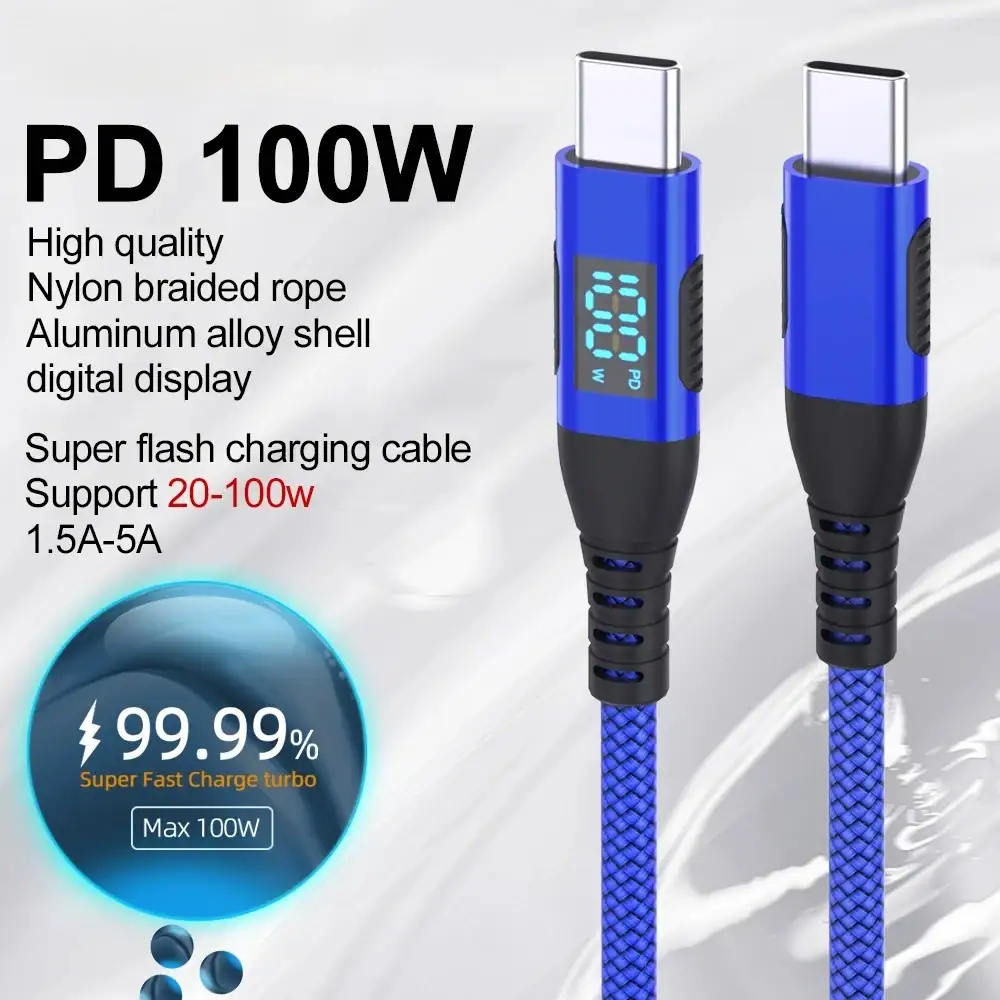
1/2/3M 100W Type C to C Fast Charging Cable with Digital Display 5A Type C Charger Cord for iPhone15/16 Samsung Xiaomi Laptop
from £3.24.
£3.24
Options tracked: Black 60W
Guide
Use a standards-first checklist to compare low-cost USB-C cables and a power bank option on AliExpress, so you can avoid vague fast-charge claims.
ReviewsShop may earn a commission if you buy through links on this site.
Last verified: 2026-07-20
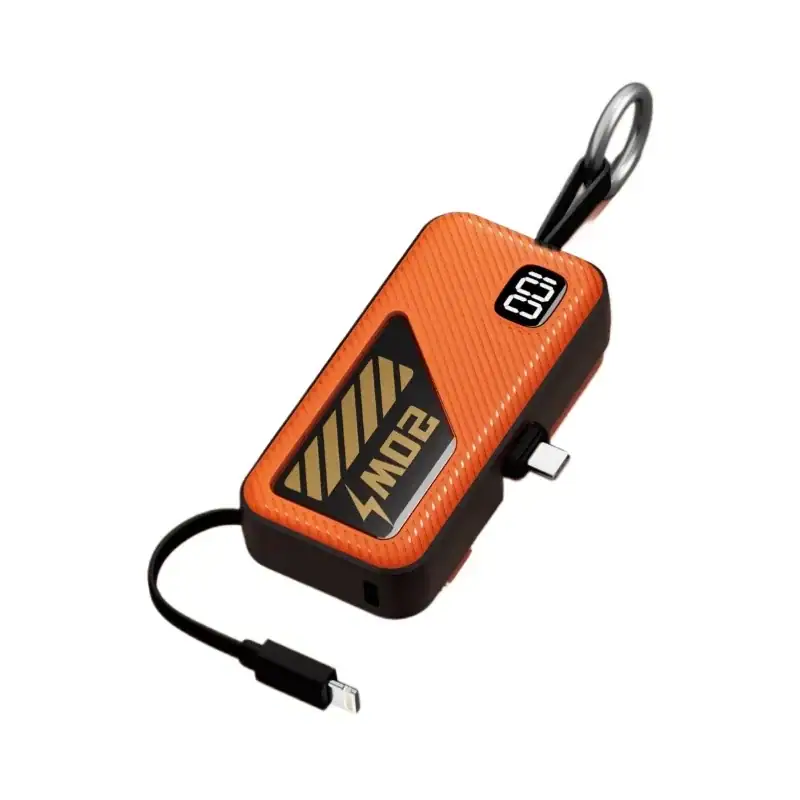
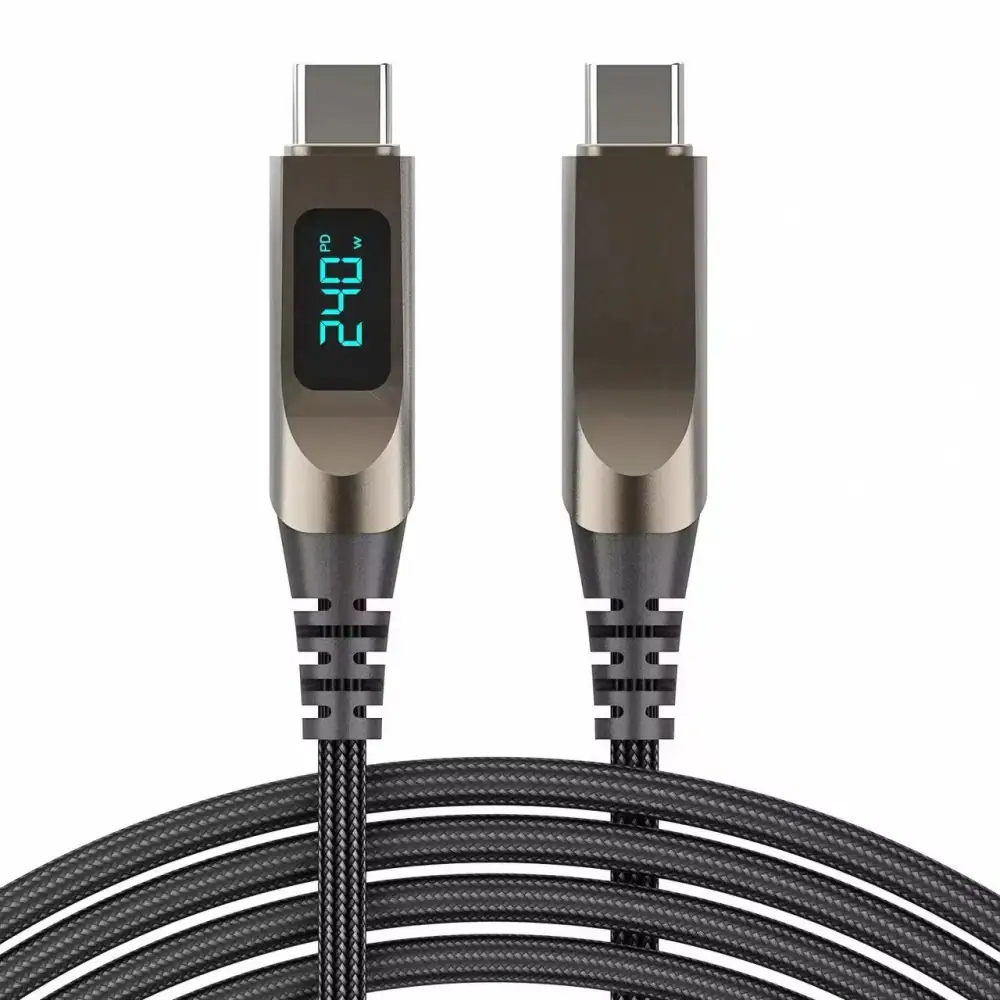
Fast charging is not just about a big wattage number in the title. USB-C fast charging depends on the charger, the cable and the device all supporting the same USB Power Delivery profile, so a 100W or 240W label only matters if the whole setup can negotiate it. In this shortlist, the £3.24 100W Type C to C cable, the £2.90 VBVC 240W cable and the £8.99 power bank all show digital display features, but that display is a convenience cue rather than proof of charging speed.
Start with USB-C to USB-C compatibility, then check the rated power, cable length and the device names the listing actually mentions. Cable length matters in real use: a shorter lead can suit a desk or bedside setup, while a longer one is usually more comfortable for travel, a car or charging from a socket that is not right next to you. The two cable examples are close in price, so the more useful listing is the one that explains whether it is for phone charging, laptop charging or both, and whether the variant you choose really matches the claimed wattage. For the power bank, the key question is different: look for output details and capacity on the live page, because that product is a backup battery rather than a wall charger replacement.
A common trap is assuming that 5A, 100W or 240W on its own proves strong charging performance. USB-IF guidance shows that modern USB-C cable categories and charger output are part of a wider standard, and the exact device still has to support the same profile. Another issue here is weak shopper feedback: all three examples show 0 ratings and 0 reviews, so there is no public review detail to lean on for confidence about real-world charging, durability or day-to-day convenience. If a listing mentions certification or compliance, it is worth checking the live page carefully rather than trusting the title alone.
For everyday phone charging, the cheapest cable that clearly states USB-C to USB-C and a realistic power rating may be the sensible buy, especially when the price gap between the £3.24 and £2.90 cable examples is small. If you want travel backup power, the £8.99 power bank is the different-type option to compare, but it does not replace a wall charger plus cable. For phones, a high wattage label only matters if the phone, charger and cable all support the same charging profile; for laptops or other higher-power devices, that same rating becomes more relevant because the whole setup needs to be matched more carefully.
The standards context matters more than the marketing wording. USB-IF says USB Power Delivery can support up to 240W under the updated specification, and current compliance updates note that 100W USB-C to USB-C cable categories have been replaced by 240W categories. That is useful context for the two cable examples here: the £3.24 unnamed 100W cable and the £2.90 VBVC 240W cable sit very close in price, so spec clarity matters more than the tiny price difference. It also explains why a digital display on a cheap USB-C listing is only a convenience feature. The safer approach is to compare the listed charging standard, any compliance or certification detail shown on the live page, and whether the phone, laptop or power bank actually supports the same power level.
Think in terms of use case, not a single winner. The £2.90 VBVC cable is the lowest-cost cable example, the £3.24 unnamed cable gives you a similar budget bracket with a 100W title, and the £8.99 power bank moves you into travel backup power rather than cable-only charging. Because all three examples have a weak review details and only one visible brand name, the safest approach is to verify stock, delivery time, delivery cost and the exact USB-C output or input details before you buy. If you are choosing for a phone, pick the cable with the clearest USB-C and power details; if you are choosing for travel, consider whether the power bank’s capacity and output are enough for your routine.
from £3.24.
£3.24
Options tracked: Black 60W
from £8.99.
£8.99
Options tracked: Brown For Type-C
from £2.90.
£2.9
Options tracked: Black
Last checked 2026-07-20. The source list below is included to help you check the details behind the comparison. Always confirm the latest price, delivery cost, stock status and product details with the retailer before buying.
Use these related products guides and reviews to turn the advice into a practical shortlist.
Check that the cable is USB-C to USB-C, that the charger and phone support the same USB Power Delivery profile, and that the listing gives a clear power rating. A high number in the title alone does not guarantee fast charging.
Usually not. For a phone, the more important thing is compatibility with the device and charger; 100W or 240W becomes more useful if you also charge laptops, tablets or higher-power accessories.
Choose the cable if you mainly need wall charging at a desk or at home. Pick the £8.99 power bank example if you want portable backup power for travel, but remember it is a different product type, not a direct charger replacement.
Not by itself. The wattage claim only helps if your charger, cable and device all support the same charging profile, so compatibility matters more than the biggest number on the listing.
A digital display can be handy for seeing activity, but it does not prove fast charging on its own. You still need clear USB-C details, a realistic power rating and a device match that makes sense for your use case.