Available 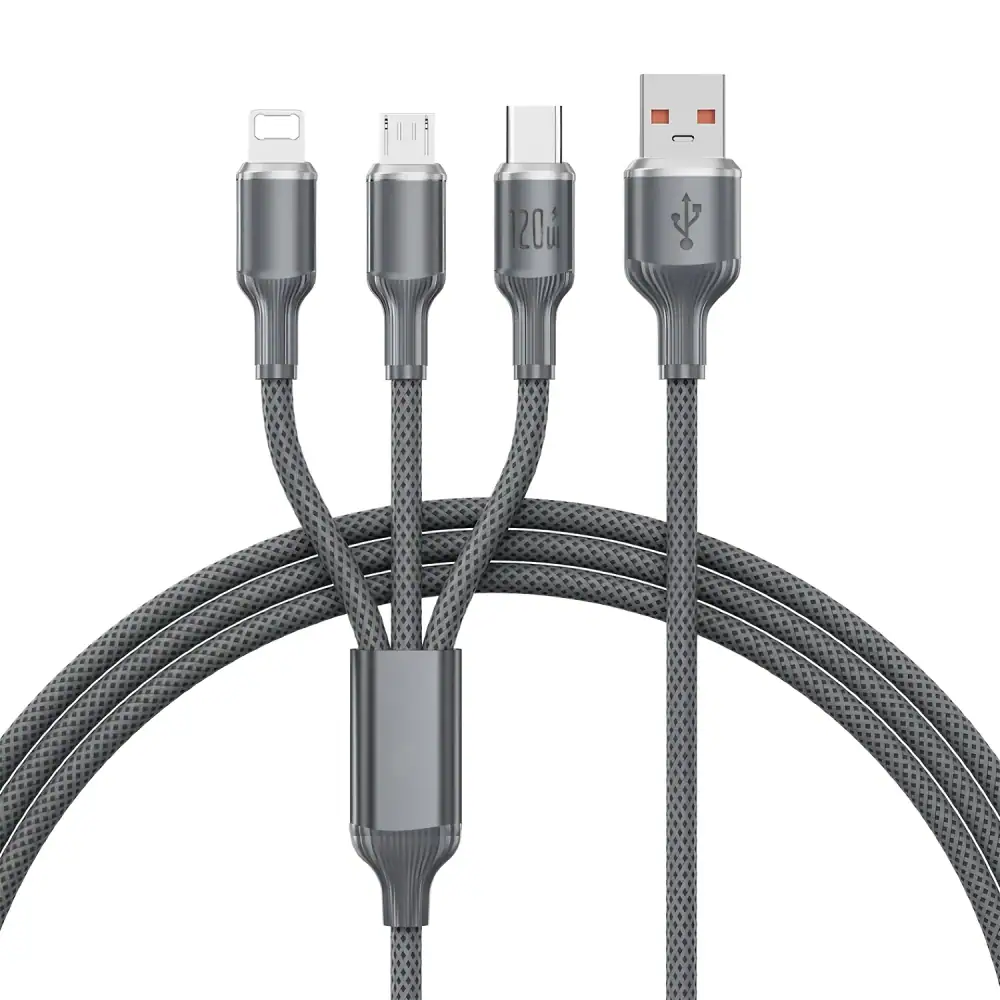
3-in-1 Fast Charging Cable , Xiaomi, USB-C, Micro USB, 1.2m Multi-Port USB Charger Cord for Phones, Tablets & Devices
from £2.69.
£2.69
Options tracked: Black
Guide
A cautious guide to budget USB chargers that helps you match speed, port layout and safety details to the way you charge your phone or desk setup.
ReviewsShop may earn a commission if you buy through links on this site.
Last verified: 2026-07-01
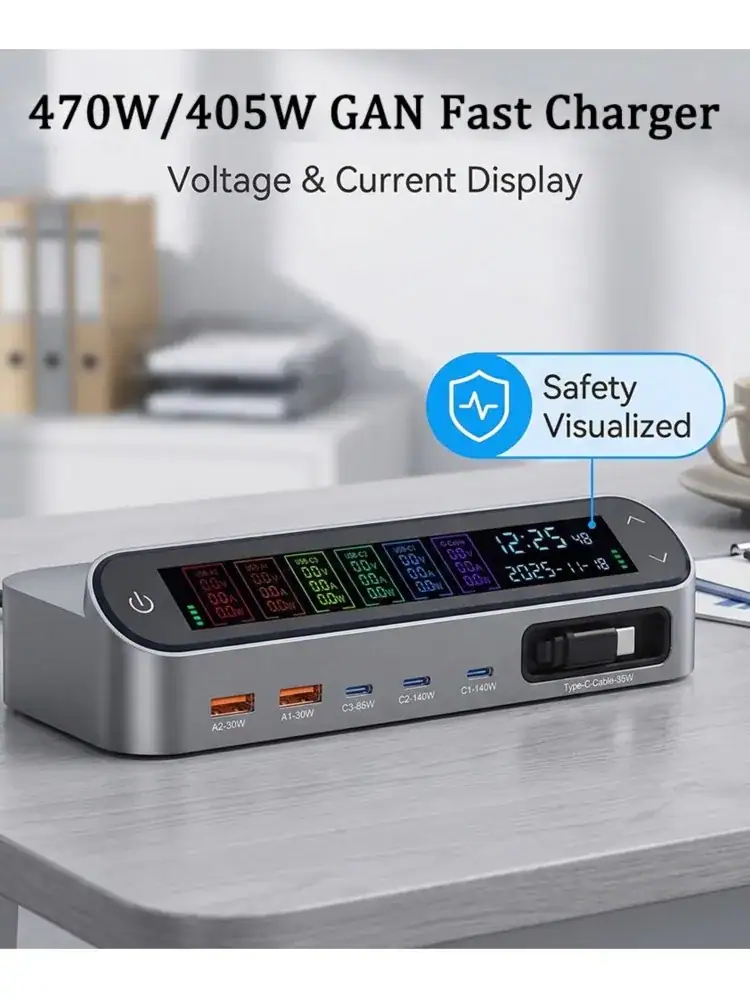
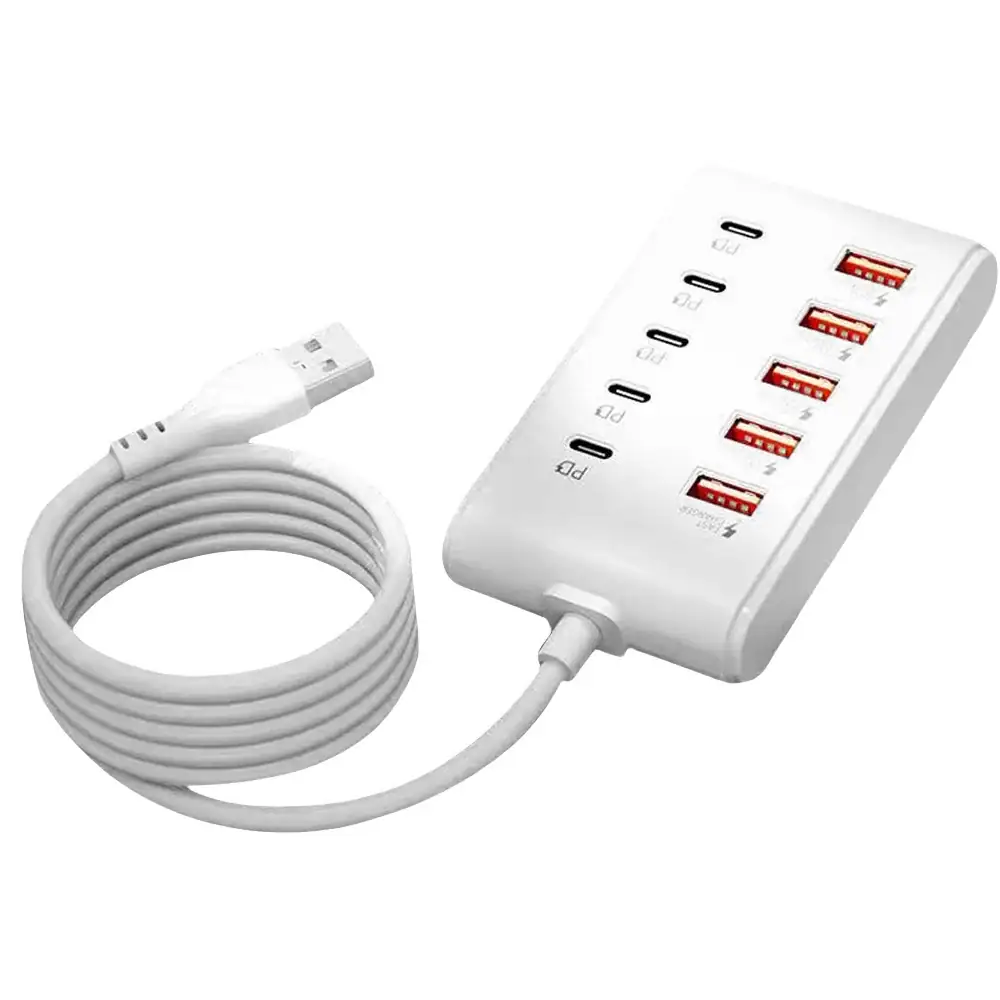
When shoppers compare budget chargers, the headline wattage is only part of the story. Fast charging depends on protocol support and power negotiation, so a high number on the listing is not enough if the charger and phone do not speak the same language. That is why the £2.69 amzwn 3-in-1 cable, the £3.08 no-brand 10-in-1 desktop adapter, and the £28.19 LZJV GaN charger should be read as different formats first, then checked for USB-C PD or PPS support on the live page.
A simple USB-C charger is usually the cleanest choice for one phone, while mixed-port or multi-port designs make more sense when you are charging several devices from one socket. The 10-in-1 desktop adapter and the LZJV multi-port GaN unit both point toward desk use, while the amzwn listing is actually a cable, not a standalone charger, so it should not be treated as a like-for-like power brick. For most phones, the more useful question is whether the port layout fits your charging habit rather than whether the title sounds more powerful.
GaN can help a charger stay compact and efficient, which matters more on a desk or in a travel bag than in a purely bedside setup. But GaN does not replace the need to check PD or PPS support, and it does not make a vague listing automatically safer or more suitable. At £28.19, the LZJV desktop charger sits in a very different bracket from the £3.08 multi-port option, so buyers should decide whether they need a premium desktop layout or just a basic fast-charge solution.
On budget marketplace listings, safety details are worth checking before wattage claims. Look for clear certification language, a sensible output description and enough product information to understand whether the charger is a real power brick or just an accessory such as the amzwn 3-in-1 cable. Delivery cost, delivery time and stock status also matter, because a cheap listing can stop being good value once shipping is added or the option you need is unavailable.
For everyday phone charging, a compact 20W to 30W USB-C charger is often the most practical reference point, especially if you want a tidy bedside or travel setup. Higher-watt desktop chargers make more sense when you charge several devices at once, but the price spread here is wide, from £2.69 to £28.19, so each product needs to be judged by its role rather than by price alone. Before buying, verify whether the live listing is a charger, how many ports it has, and whether the option you want is still in stock for UK delivery.
Public charger-buying guidance points in the same direction: fast charging depends on protocol support and power negotiation, not on headline wattage alone. The broader advice also suggests that many phones are well served by a 20W to 30W USB-C PD charger, while bigger multi-device desks need higher output and better port planning. On budget marketplace chargers, safety certifications and thermal behaviour matter especially, so a listing with a big wattage claim but weak detail is a reason to slow down and check the product page more carefully. That is especially relevant when the shortlist includes a £2.69 amzwn 3-in-1 cable, a £3.08 no-brand 10-in-1 desktop adapter, and a £28.19 LZJV GaN charger, because those three products solve very different problems.
This shortlist is useful because it shows three very different value profiles: the £2.69 amzwn cable-like listing, the £3.08 no-brand 10-in-1 desktop adapter, and the £28.19 LZJV GaN charger. The trade-off is clear: lower prices can mean simpler capability or more uncertainty, while the expensive desktop option may suit a multi-device setup but needs stronger protocol and safety confirmation before it is worth the extra spend. For UK shoppers, brand familiarity, visible ratings and review counts would normally help confidence, but none were visible here, so the safest approach is to compare use case, port count, charger type and delivery terms before committing. On AliExpress, store credibility matters too: if a listing has no visible reviews, no ratings and little detail about output or safety, treat it as higher risk even when the upfront price looks attractive.
from £2.69.
£2.69
Options tracked: Black
from £28.19.
£28.19
from £3.08.
£3.08
Options tracked: WHITE
Last checked 2026-07-01. The source list below is included to help you check the details behind the comparison. Always confirm the latest price, delivery cost, stock status and product details with the retailer before buying.
Use these related products guides and reviews to turn the advice into a practical shortlist.
No. A higher wattage headline only helps if your phone, cable and charging protocol can actually use it. For many phones, a compact 20W to 30W USB-C PD charger is the more sensible everyday choice.
Start with the product title and photos, then check whether it clearly shows a power brick, wall charger or desktop charger. The amzwn £2.69 listing here is a 3-in-1 charging cable, so it should not be compared as if it were a standalone charger.
GaN is mainly about size and efficiency, while USB-C PD and PPS are the features that more directly affect charging compatibility and speed. For most phone buyers, protocol support matters more than GaN alone, especially on low-cost marketplace listings.
Check the current price, delivery cost, delivery time, stock status, supported output, USB-C PD or PPS support, and any visible safety or certification details. If ratings and review counts are shown, treat them as an extra trust signal rather than a guarantee.