Available 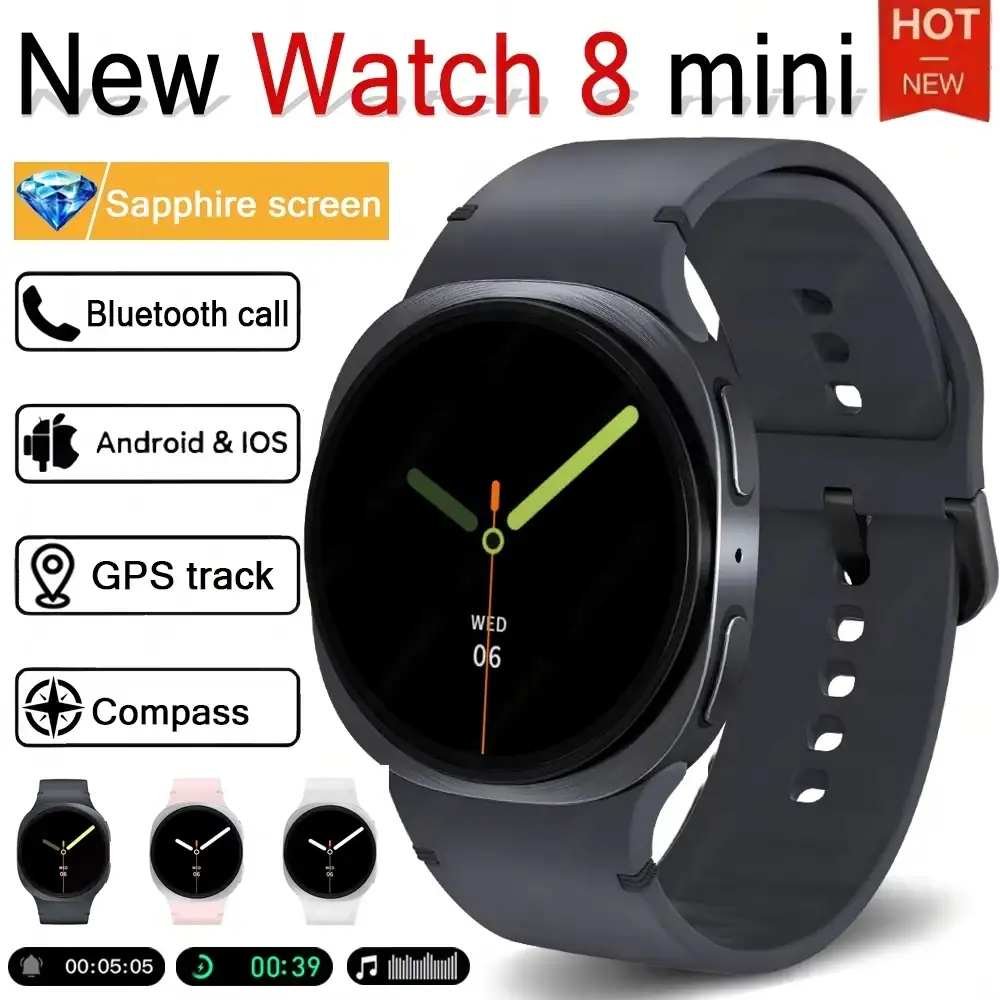
Smart Watch GPS Track Smart Watches Women Sport Heart Rate Bluetooth Call NFC IP68 Waterproof Compass Smartwatch 8
from £14.09-£19.59.
£14.09-£19.59
Options tracked: Grey, Pink, Black
Guide
Pick a budget USB-C charger by checking charging standard, wattage, ports, cable compatibility, price and live retailer details rather than chasing the lowest price alone.
ReviewsShop may earn a commission if you buy through links on this site.
Last verified: 2026-07-11
A budget charger can feel slow when its output does not match your phone’s charging standard, or when power has to be shared across more than one port. USB-C by itself is only the connector; the useful question is whether the listing shows USB Power Delivery, a wattage range that fits your device and clear port information. For many phones, a well-specified 20W to 30W PD charger is often a sensible starting point, but the live listing still matters more than a headline number.
Port layout changes how a charger behaves in everyday use. USB-C is usually the better match for newer phones and PD charging, while USB-A can still suit older accessories or cables. Mixed-port chargers may be more flexible, but shared output can reduce speed when both ports are used. Before ordering, check whether the AliExpress page shows USB-C only, USB-A only or a mixed layout, and make sure your cable matches the port you plan to use.
GaN is worth paying attention to if you want a charger that stays compact for the power it offers, especially in small wall-plug designs. It is not a reason to buy on its own. For a budget page, the more important checks are still PD support, the wattage figure and whether the listing explains the port setup clearly. On lower-priced AliExpress chargers, GaN can be a useful size-and-efficiency clue, but it should not replace a proper spec check.
Start with your phone and its charging needs, then match the charger to that standard. The wider charger guidance used for this page points shoppers toward USB-C PD first, and PPS where it matters for some Samsung fast-charging use cases. Also check the cable rating, because a weak cable can bottleneck charging even if the adapter looks capable. If a listing is vague about wattage, ports or protocol support, it is better to keep comparing than to guess.
Very low prices deserve extra caution when a listing gives little detail about safety or output behaviour. Look for realistic wattage claims, any clearly stated safety mark shown on the product page and wording that sounds measured rather than oversized. The public charger guidance behind this article also stresses temperature and cable fit as practical limits, so if a cheap listing says very little, treat it as one to verify carefully before buying.
The clearest buying rule is to match the charging protocol first and the price second. Public charger guidance consistently says USB-C Power Delivery is the starting point, with 20W to 30W PD often enough for many phones, while PPS matters for some Samsung fast-charging setups. Research also highlights the importance of checking cable compatibility, shared output and temperature limits, because a charger that looks fine on paper can still behave differently once multiple devices are connected or conditions change. For context, USB-IF USB Charger Power Delivery guidance separates connector shape from charging protocol, which is why a USB-C plug alone is not enough. That matters on a budget page where a £9.39 charger with clear PD and cable details may be a safer comparison point than a £1.39 listing that does not explain its output at all.
Use a live-listing checklist before you buy. Compare the charger’s own title and specs instead of relying on price alone: look for USB-C PD, PPS if relevant, wattage, port layout, cable compatibility, price, stock status, delivery cost and delivery time. Because the current example items in this page are not chargers and no visible review or rating details were provided, keep extra caution around very low prices and vague listings. In other words, a compact 20W charger with clear support details may be easier to trust than a £1.39 listing that does not explain its output at all.
from £14.09-£19.59.
£14.09-£19.59
Options tracked: Grey, Pink, Black

from £2.69-£2.79.
£2.69-£2.79
from £6.39-£8.24.
£6.39-£8.24
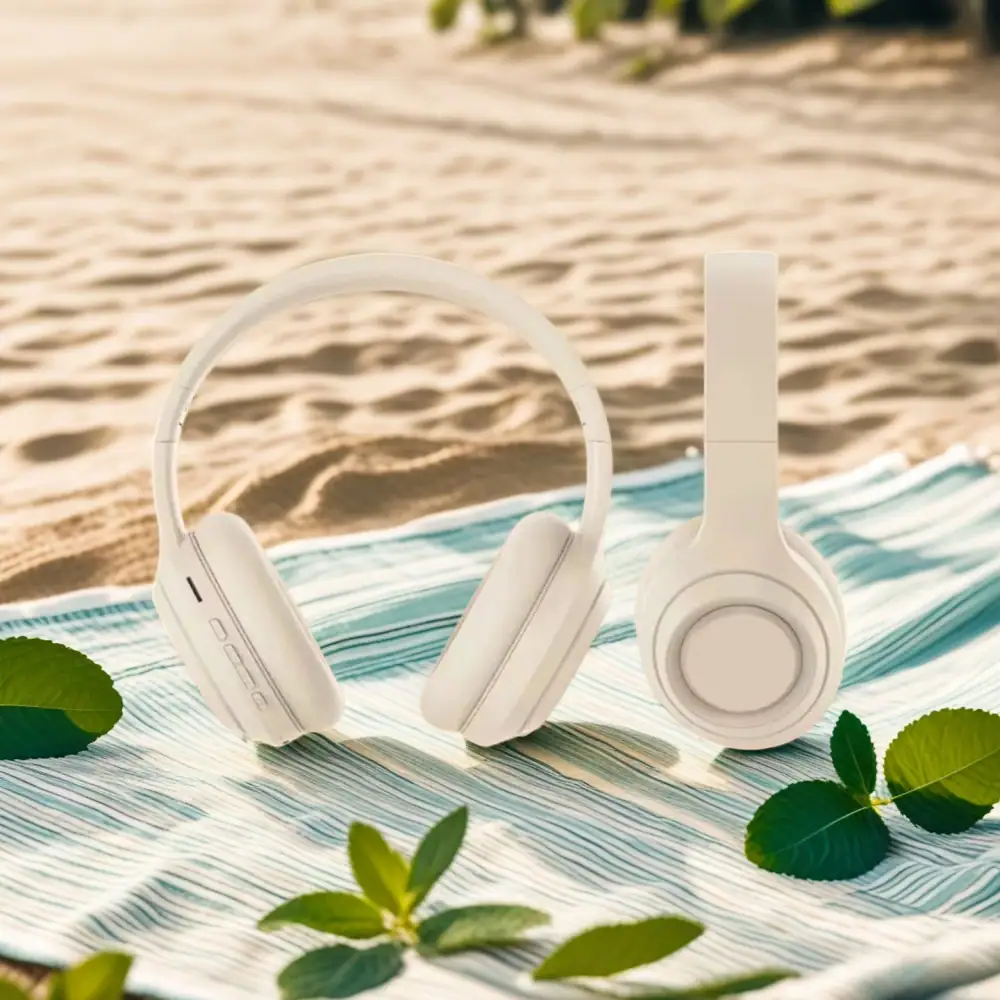
Options tracked: Pink, Khaki, Beige
Last checked 2026-07-11. The source list below is included to help you check the details behind the comparison. Always confirm the latest price, delivery cost, stock status and product details with the retailer before buying.
Use these related products guides and reviews to turn the advice into a practical shortlist.
Not necessarily. GaN can help a charger stay smaller, but the more important checks are USB Power Delivery support, the right wattage for your phone and whether the port layout fits your cable and device.
No. A phone only draws what it can use, so a higher wattage number does not make charging faster by itself. A charger that fits your device’s charging standard is usually the better buy.
Yes, but speed may drop when multiple ports are used. Check the listed shared output before assuming full speed on every port, especially on compact budget chargers with limited specification detail.
Use a cable that matches the charger’s port and output. A weak or mismatched cable can bottleneck charging even if the adapter itself is capable.
Start with your phone brand and charging standard, then match the charger’s USB-C PD or PPS support, wattage range and cable type. If the listing is vague, keep comparing rather than relying on the highest number in the title.